
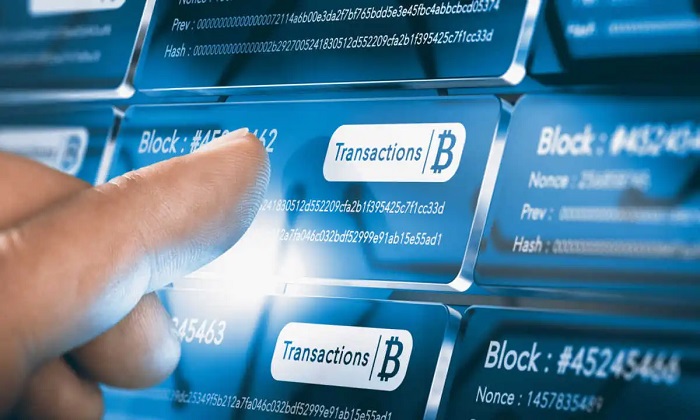
Cryptocurrencies are gradually becoming a full-fledged tool for settlements, international transfers, and online payments. Bitcoin, USDT, USDC, and other digital assets are used not only by private investors but also by online stores, service providers, and mobile app owners. However, integrating crypto payments for websites requires a careful approach: one must consider the specifics of blockchain networks, transaction fees, current exchange rates, and the security of the transactions themselves.
Basic Rules for Exchanging Cryptocurrency
Before initiating a transaction, it is important to determine which cryptocurrency you wish to exchange and which asset you intend to receive. For example, Bitcoin can be converted into stablecoins like USDT or USDC, the value of which is pegged to the US dollar. This helps mitigate the impact of market volatility on the final amount received.
One of the most important rules is to carefully verify the recipient’s wallet address and the selected blockchain network. For instance, USDT may be supported across multiple networks; attempting a transfer between incompatible standards can result in the loss of funds. Before sending a large sum, it is advisable to perform a test transaction with a smaller amount.
It is also essential to review the terms of the exchange beforehand. Key factors to consider include:
- the exchange rate;
- the transaction fee;
- the minimum transaction amount;
- the time required for transaction confirmation.
Keep in mind that the platform’s own service fee and the blockchain network’s transaction processing fee may be calculated separately.
How to Exchange Cryptocurrency Safely
The security of a transaction depends not only on the reliability of the chosen service but also on the user’s own actions. For exchanges, it is best to use reputable platforms with clear terms of service. Avoid clicking on suspicious links, and never share your private keys or confirmation codes with third parties.
Pay special attention to how you store your digital assets. For frequent transactions, you might use a secure software wallet, while for the long-term storage of significant amounts, a hardware wallet (a physical device) is recommended. Two-factor authentication and unique passwords further reduce the risk of unauthorized access.
After sending funds, it is important to wait for the transaction to be confirmed on the blockchain. The mere creation of a payment does not mean that the recipient has actually received the money. Therefore, you should check the status of the transaction and keep a record of the transaction identifier.