
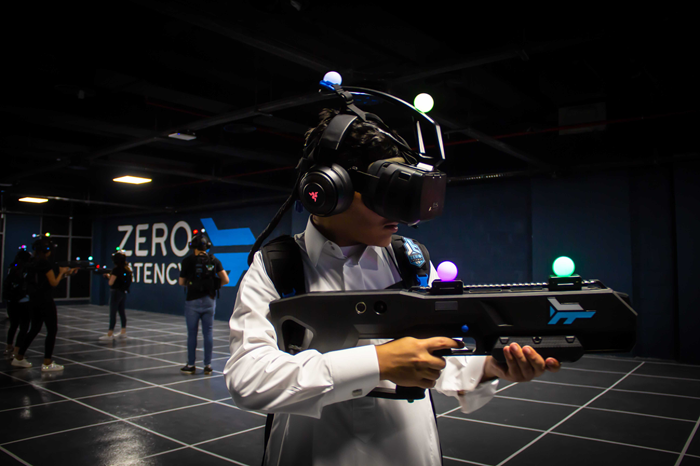
Modern virtual games offer unique opportunities for entertainment and interaction, combining cutting-edge technology and entertainment in new formats.
The main advantage of a VR gaming center franchise is the opportunity to immerse yourself in virtual reality, which significantly expands the boundaries of traditional entertainment and promotes the development of various skills, such as teamwork, logical thinking, and reaction time.
There are many types of virtual games, varying in genre, graphics, and level of immersion, making them accessible to a wide audience. The development of the virtual gaming industry is stimulating the emergence of new forms of entertainment and business models, among which the VR gaming center franchise, which unites virtual reality enthusiasts and professionals, occupies a special place.
Overview of the advantages and disadvantages of virtual entertainment for the modern gamer
Modern virtual games provide players with unique opportunities to immerse themselves in various virtual worlds, significantly expanding the boundaries of traditional entertainment. They allow users to experience new sensations, connect with people around the world, and develop skills in a variety of areas, such as strategy, logic, and teamwork.
However, despite their many benefits, virtual games also have their drawbacks. Some users may experience addiction, poor physical health due to prolonged sitting and lack of activity, and social isolation if virtual communication replaces real-life interactions.
Innovative Ways to Interact: Using VR Technology to Expand Gaming Possibilities
Virtual reality (VR) is already redefining traditional notions of gaming, offering unique opportunities for full immersion and interactivity. The latest VR technologies make gaming more realistic and immersive, pushing the boundaries of what’s possible and creating new forms of entertainment.
Integrating VR into game mechanics allows developers to offer more diverse scenarios, combining physical activity with virtual worlds. This fosters new types of social interactions, increases engagement, and opens up prospects for innovative forms of learning and teamwork in gaming environments.
Modern Innovations and Prospects for the Development of VR in Games
- Immersive Worlds: VR technologies enable the creation of fully immersive virtual spaces where players can freely explore and interact with their surroundings.
- Physical Activity: VR games require users to move, which promotes physical health and makes gameplay more dynamic.
- Increased Social Responsibility: Virtual spaces encourage communication and collaboration between players from different parts of the world.
- Personalization of Experience: Expanded customization options for characters, environments, and scenarios make the game more individualized and flexible.
In summary, the use of VR technologies in virtual gaming opens up vast opportunities for expanding game formats and increasing engagement. Continuous innovation in this field is creating more realistic, active, and socially oriented gaming environments, which promises to revolutionize approaches to entertainment and learning in the future, making active leisure more effective and engaging for a wide variety of audiences.